Understanding Different Types of Vision: What’s the Most Common Eye Prescription?

Understanding Different Types of Vision: What’s the Most Common Eye Prescription?

Understanding Different Types of Vision: What’s the Most Common Eye Prescription?

Understanding Different Types of Vision: What’s the Most Common Eye Prescription?

Understanding Different Types of Vision: What’s the Most Common Eye Prescription?

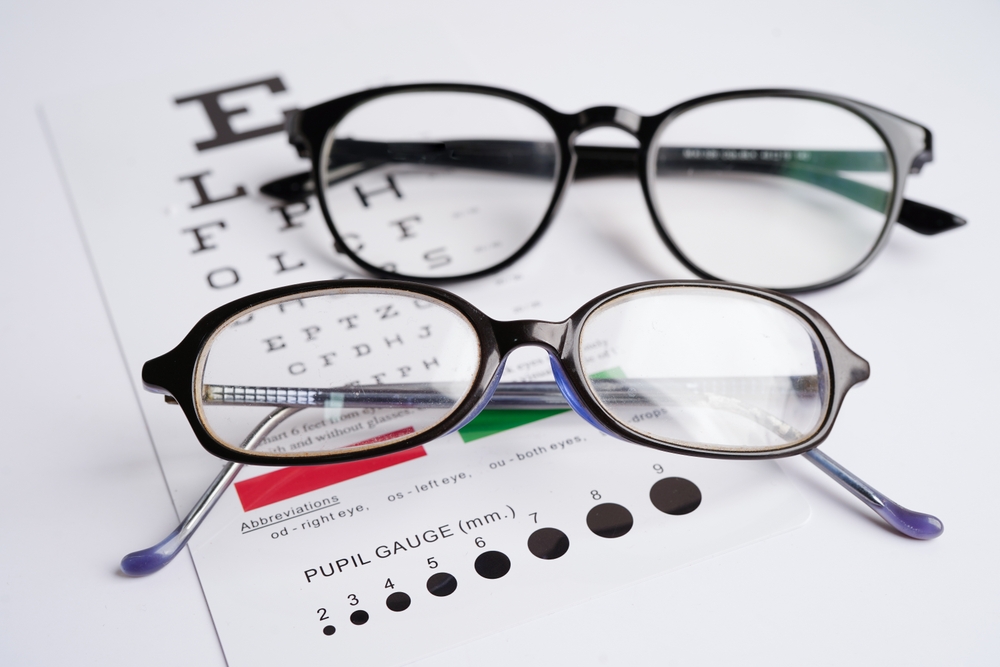
When it comes to vision, no two eyes are exactly alike. Millions of Americans rely on corrective lenses to see clearly, yet many people don’t fully understand what their eye prescription means - or which vision condition is most common. At Optical Masters, we believe that understanding your vision is the first step toward protecting it.
Let’s take a closer look at the different types of vision, common prescriptions, and why a comprehensive eye exam is essential for maintaining lifelong eye health.
The Basics of Vision and Refraction
Clear vision depends on how light enters the eye and focuses on the retina. When light doesn’t focus properly, refractive errors occur. These are the most common reasons people need glasses or contact lenses.
Your prescription is designed to correct how light bends (or refracts) inside your eye so that images appear sharp and clear.
The Most Common Types of Vision Conditions
Nearsightedness (Myopia)
Myopia is the most common eye prescription worldwide. If you are nearsighted, you can see objects up close clearly, but distant objects appear blurry.
Common signs of myopia include:
Difficulty seeing road signs
Squinting to view distant objects
Headaches or eye strain
Myopia typically begins in childhood and can progress into early adulthood. Your prescription will include a negative (-) number to correct it.
Farsightedness (Hyperopia)
Hyperopia is the opposite of myopia. People with farsightedness see distant objects more clearly than nearby ones. Reading or close-up work may cause eye strain or fatigue.
Your prescription will include a positive (+) number to correct this condition.
Astigmatism
Astigmatism occurs when the cornea or lens has an irregular shape, causing blurred or distorted vision at all distances.
It is extremely common and often occurs alongside myopia or hyperopia. Astigmatism is measured in cylinder (CYL) and axis values on your prescription.
Presbyopia
Presbyopia is an age-related condition that typically begins around age 40. It causes difficulty focusing on close objects due to the natural stiffening of the eye’s lens.
This condition often requires reading glasses, bifocals, or progressive lenses.
So, What’s the Most Common Eye Prescription?
Myopia (nearsightedness) is currently the most common eye prescription. In fact, it has become increasingly prevalent, especially among children and young adults. Increased screen time, prolonged near work, and reduced outdoor activity are all contributing factors.
However, astigmatism is also extremely common and frequently appears in combination with other refractive errors.
The “most common” prescription often includes:
A mild to moderate negative sphere value (for myopia)
Possibly a small astigmatism correction
That said, every prescription is unique to the individual.
Why a Comprehensive Eye Exam Matters
Understanding your prescription is only one part of maintaining healthy vision. A comprehensive eye exam does far more than determine whether you need glasses.
During a complete exam, your eye doctor will:
Evaluate visual acuity and refractive errors
Check for signs of eye diseases such as glaucoma or macular degeneration
Assess overall eye health
Monitor changes in prescription over time
Detect systemic health conditions like diabetes or high blood pressure
Many serious eye conditions develop without noticeable symptoms in their early stages. Regular eye exams allow for early detection and timely treatment.
Even if you believe your vision hasn’t changed, scheduling routine comprehensive eye exams is critical for protecting your long-term eye health.
Choosing the Right Eyewear for Your Prescription
Once your prescription is determined, selecting the right lenses and frames ensures both comfort and clarity. Factors to consider include:
Single vision vs. progressive lenses
Blue light protection
Anti-reflective coatings
Lens material and thickness
Lifestyle needs (work, sports, driving)
At Optical Masters, we help patients find customized solutions that fit their vision needs and personal style.
Sharpen Your Vision with Expert Eye Care
Vision conditions like myopia, hyperopia, astigmatism, and presbyopia are incredibly common - but no two prescriptions are exactly the same. Myopia remains the most common eye prescription today, especially among younger generations. However, accurate diagnosis and proper correction depend on one key factor: a comprehensive eye exam.
If it’s been a while since your last eye exam - or if you’ve noticed changes in your vision - contact Optical Masters today to schedule your comprehensive eye exam and find the perfect prescription solution for your lifestyle. Call our Monaco office at (720) 807-7300 or our Federal office at (720) 807-7600 to book an appointment today.


LOCATIONS

Hours of Operation
- Monday 9:00 AM - 7:00 PM
- Tuesday 9:00 AM - 7:00 PM
- Wednesday 9:00 AM - 7:00 PM
- Thursday 9:00 AM - 7:00 PM
- Friday 9:00 AM - 7:00 PM
- Saturday 9:00 AM - 5:00 PM
© 2026 Optical Masters. All rights Reserved. Accessibility Statement - Privacy Policy - Sitemap
Powered by: